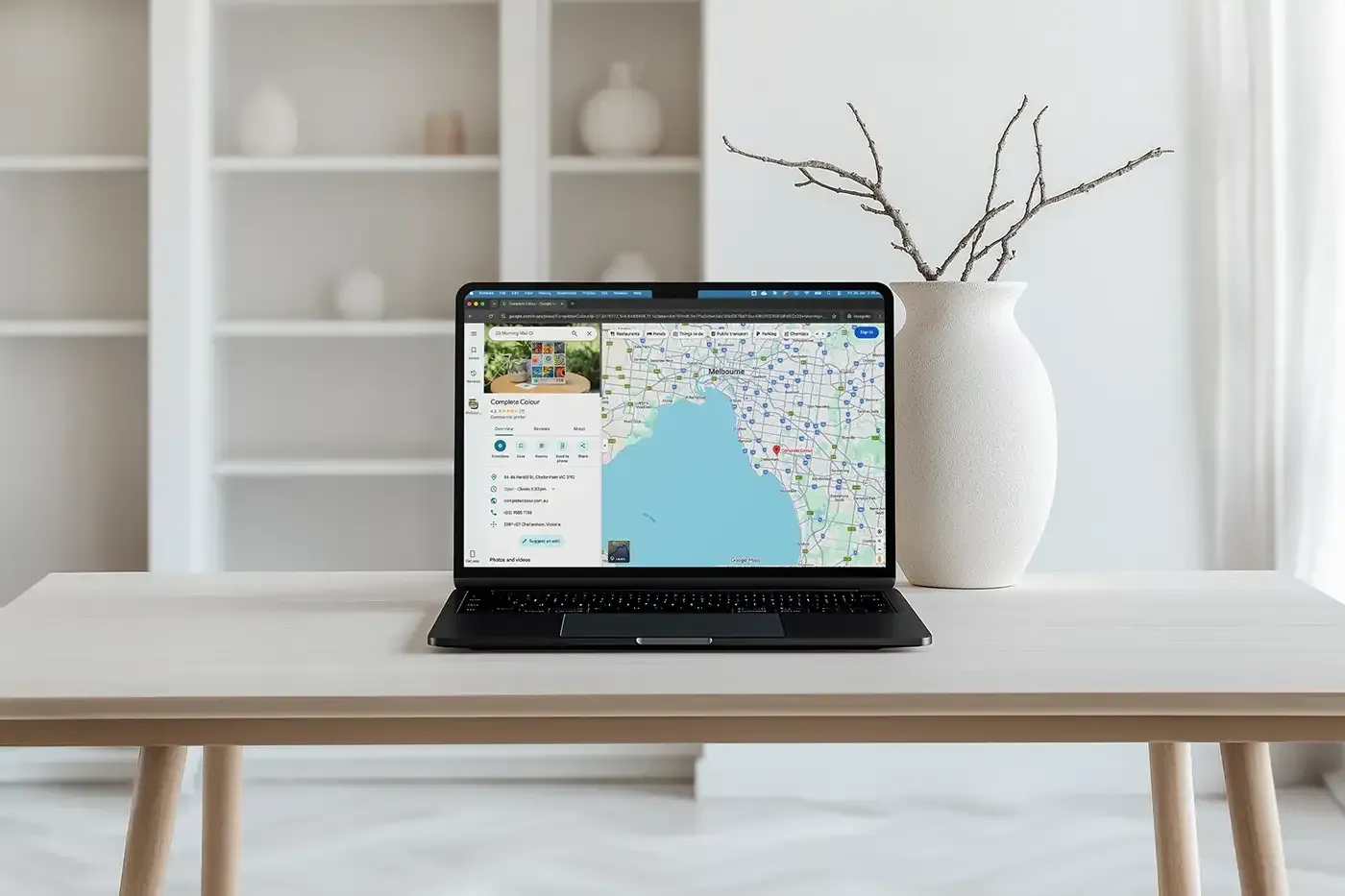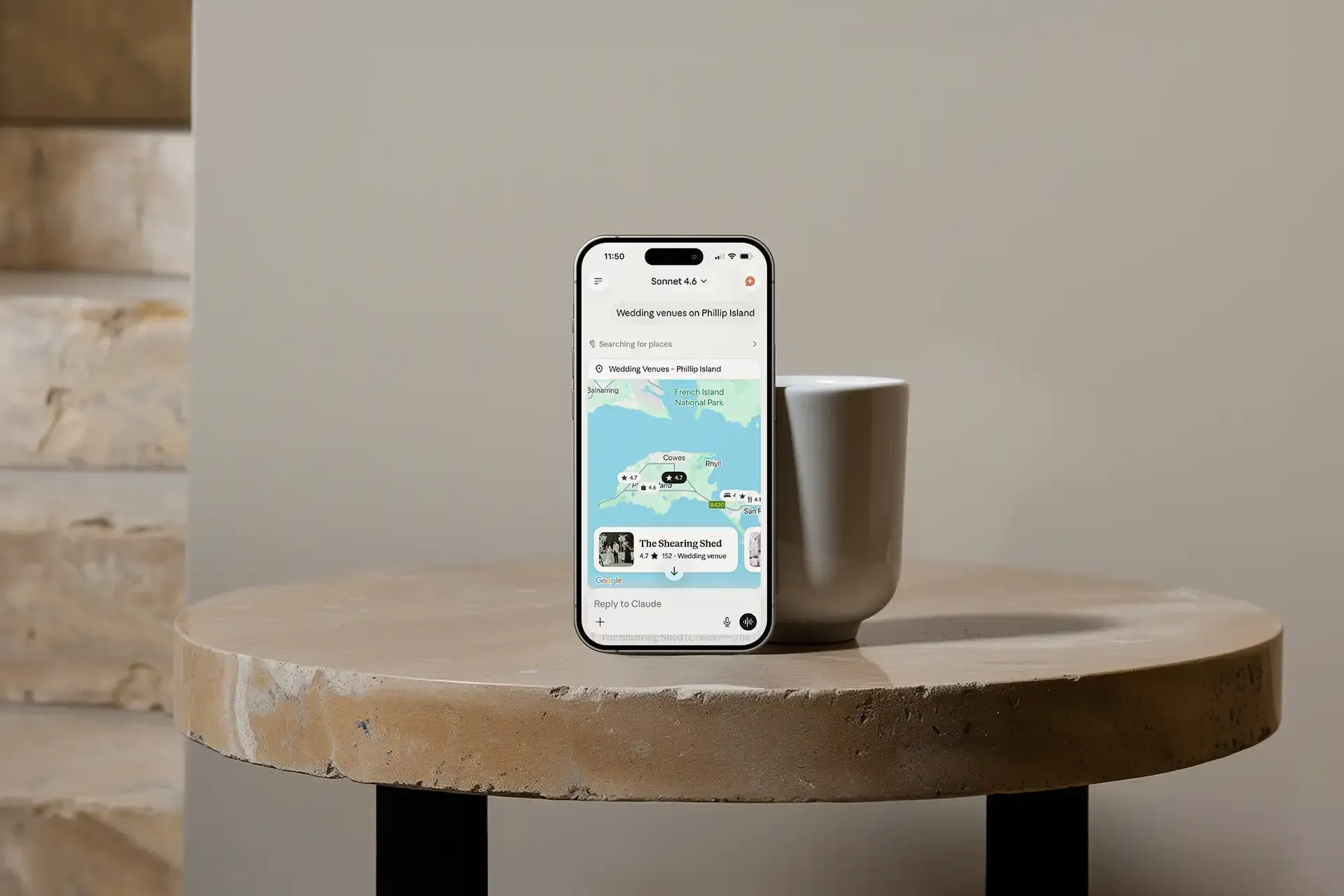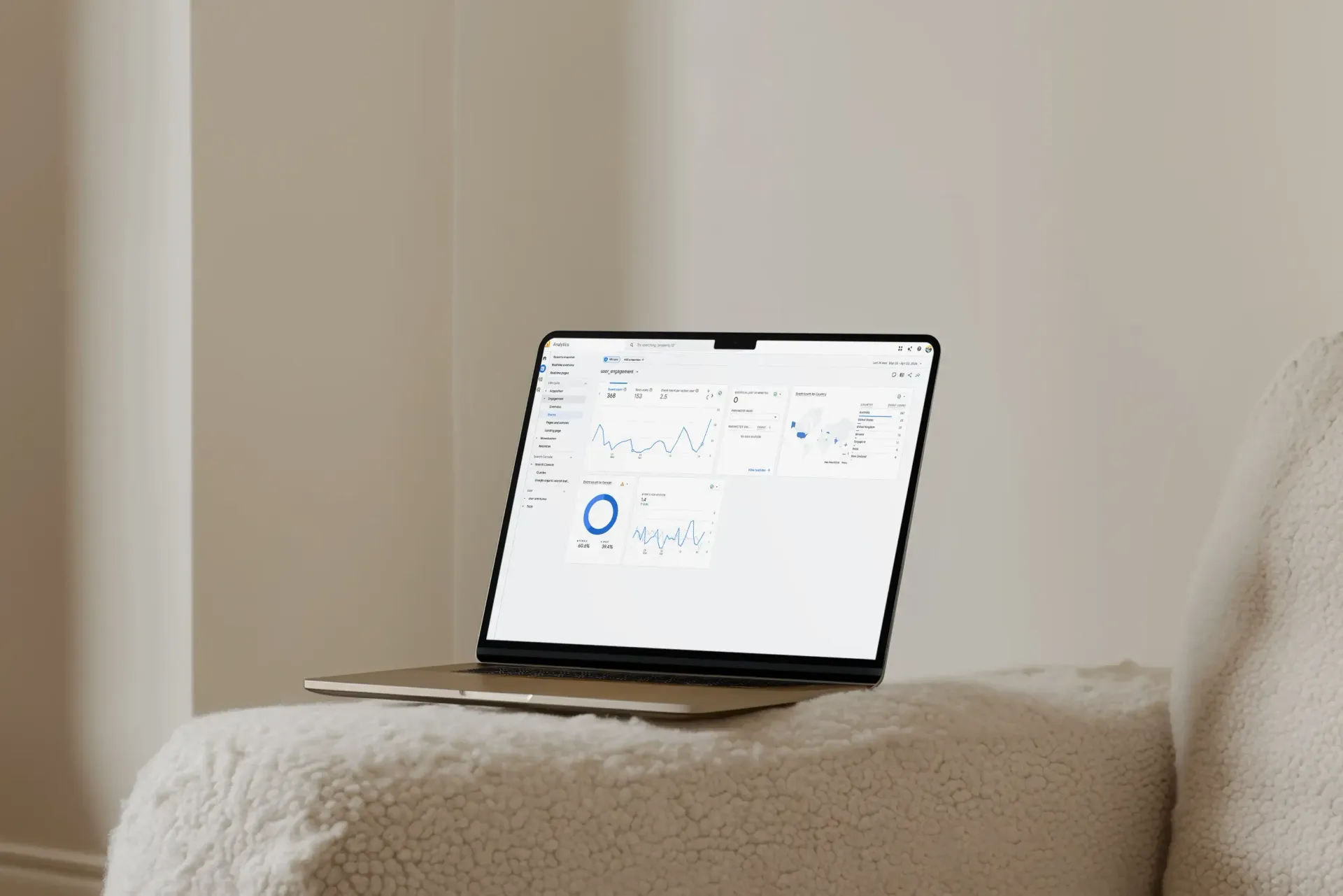
Advertising budgets: why $50 a day is the minimum that works


By Matt Elliott February 6, 2026

Advertising budgets are where most paid campaigns quietly fail. Not because ads don’t work, but because they never get enough spend to produce usable data.


If you’re putting $10 or $20 a day into Google or Meta, you’re not running ads. You’re testing patience.

Here’s why $50 per day is the realistic minimum if you want paid advertising to tell you anything useful.

Ads don’t learn without volume

Google and Meta don’t optimise based on intent or effort. They optimise on data.

That data comes from:

  • Impressions
  • Clicks
  • Conversions or signals close to conversion


Low advertising budgets starve the system. With too little spend:

  • Ads don’t reach enough people
  • Platforms can’t see patterns
  • Targeting stays broad and inefficient


You end up paying for noise instead of insight.

What $50 per day actually gets you

$50 a day won’t flood you with leads. That’s not the point.


What it does give you:

  • Enough clicks to see which messages land
  • Early signals on audience quality
  • A baseline cost per click or cost per lead
  • The ability to turn off poor ads without guessing


This is about learning, not scaling.


If your goal is immediate profit from day one, small budgets will disappoint you.

Why the first two weeks matter

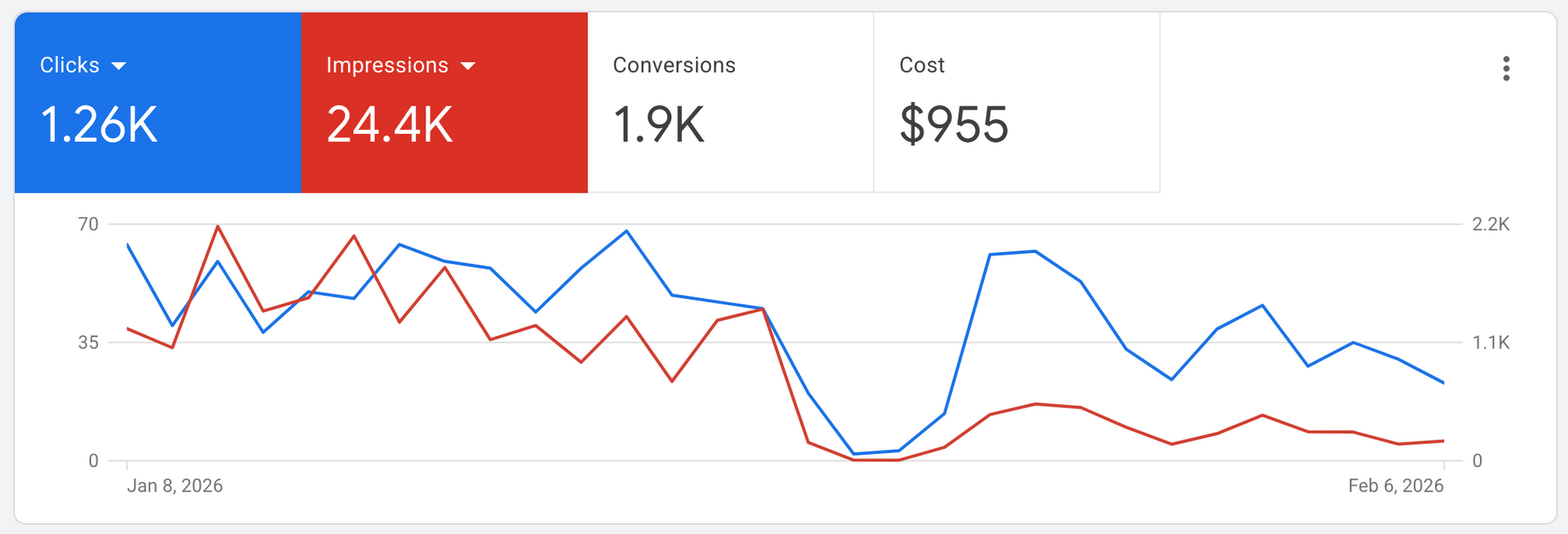
Every new campaign goes through a learning phase. This usually takes 7–14 days.


During this time:

  • Costs fluctuate
  • Results feel inconsistent
  • The platform tests different audiences and placements


This is where most people sabotage their own ads.


Common mistakes:

  • Changing creatives every few days
  • Switching targeting too early
  • Turning ads off after a bad weekend


If you don’t allow a two-week window, your advertising budgets never get a fair read.

Pick one platform first

Small advertising budgets should not be split.


Choose one:

  • Google Ads if people are already searching for what you offer
  • Meta Ads if you need to create awareness or prompt interest


Running both at $25 a day each usually means neither works properly.


Prove one channel first. Then expand.

When you shouldn’t run ads at all

Paid advertising won’t fix structural issues.


Hold off if:

  • Your offer isn’t clear in one sentence
  • Your landing page confuses visitors
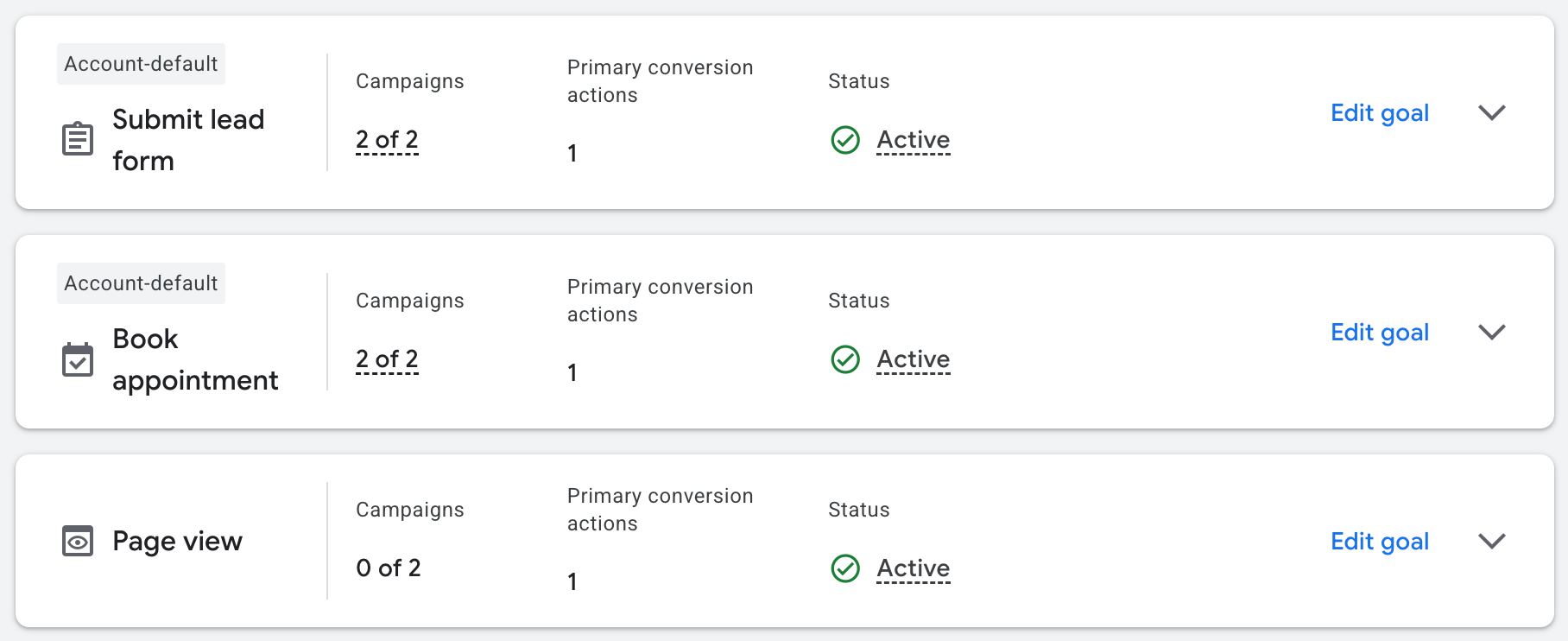
  • You can’t track calls, forms, or bookings
  • You don’t know what a lead is worth to you


In these cases, ads just make problems louder.

The reality check

$50 a day is a minimum entry point, not a magic number.


It helps you:

  • Test demand
  • Validate messaging
  • Avoid guessing

It won’t:

  • Replace good positioning
  • Rescue a weak website
  • Guarantee sales


Advertising budgets work best when they support a solid foundation, not compensate for gaps.


A simple place to celebrate the little victories in business and marketing.

Contact Us

SHARE THIS

Latest Posts

By Matt Elliott January 6, 2026
Your digital marketing isn’t broken by lack of effort. It fails when the system underneath doesn’t work. Here’s what to fix first.

Image showing an instagram post of an event with a speaker at the front.
By Matt Elliott October 30, 2025
Learn how herd mentality shapes marketing — and why going first builds trust, momentum, and leadership in your brand.

Laptop with a working Google analytics dashboard
By Matt Elliott October 7, 2025
Lessons from deep work in Google Analytics, Search Console, keyword research and Ads — and why clean data changes everything.
iPhon displaying a recent website build that we completed
By Website Editor September 29, 2025
The 2025 web design trends that matter: speed, mobile-first UX, accessibility, and AI/LLM-ready content — with actions you can take now.
Freelancer computer office set up
By Matt Elliott September 23, 2025
Melbourne digital marketing: freelancer vs agency. Compare costs, flexibility, risk and results to choose with confidence.
SEO Keyword rankings on a laptop
By Matt Elliott September 14, 2025
What does SEO really cost in Melbourne? See typical monthly retainers, project fees, and what small businesses should expect in 2025 — without the spin.