Why Your Business Isn't Showing Up in AI Search


By Matt Elliott April 27, 2026

Something has changed in how people find businesses.

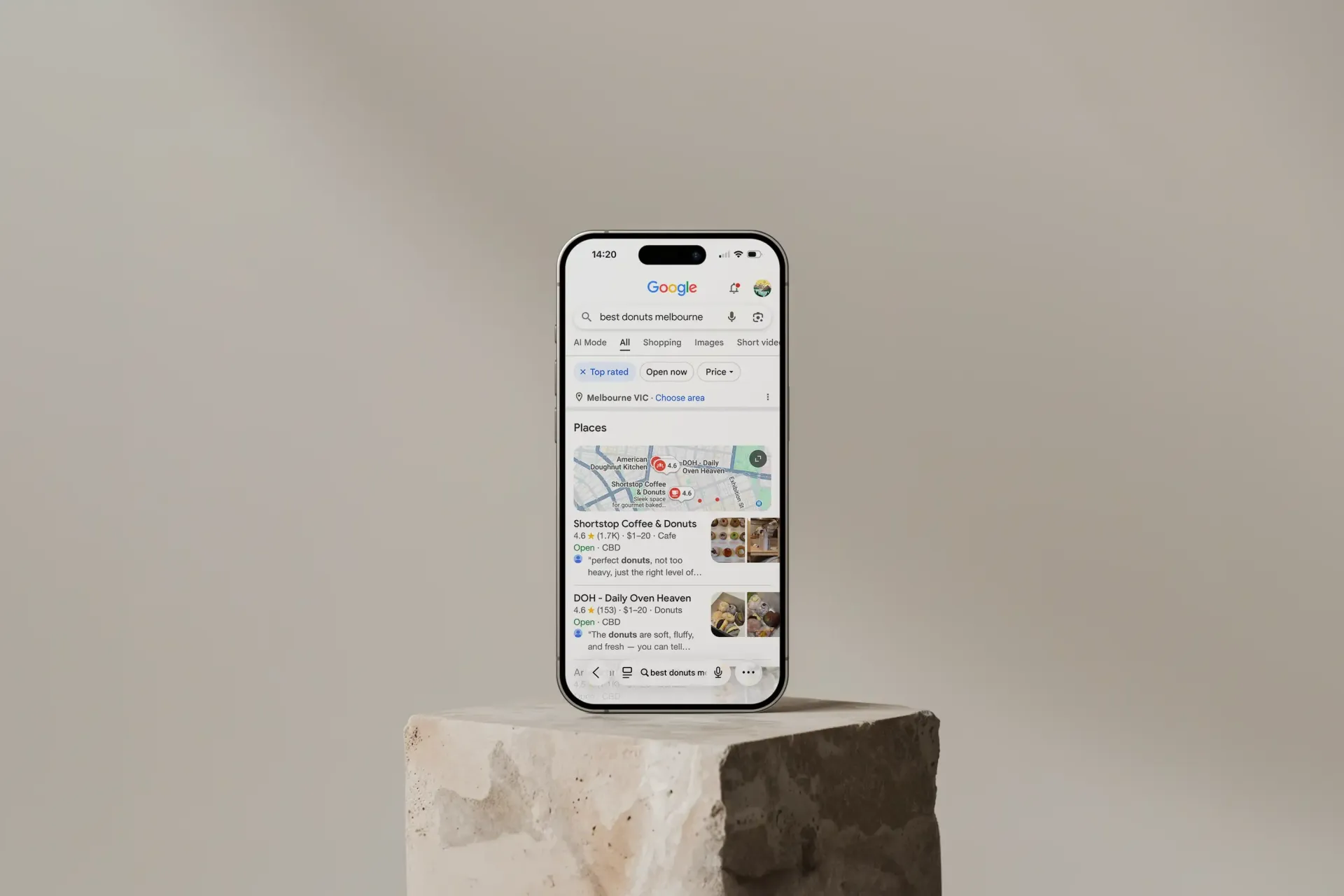
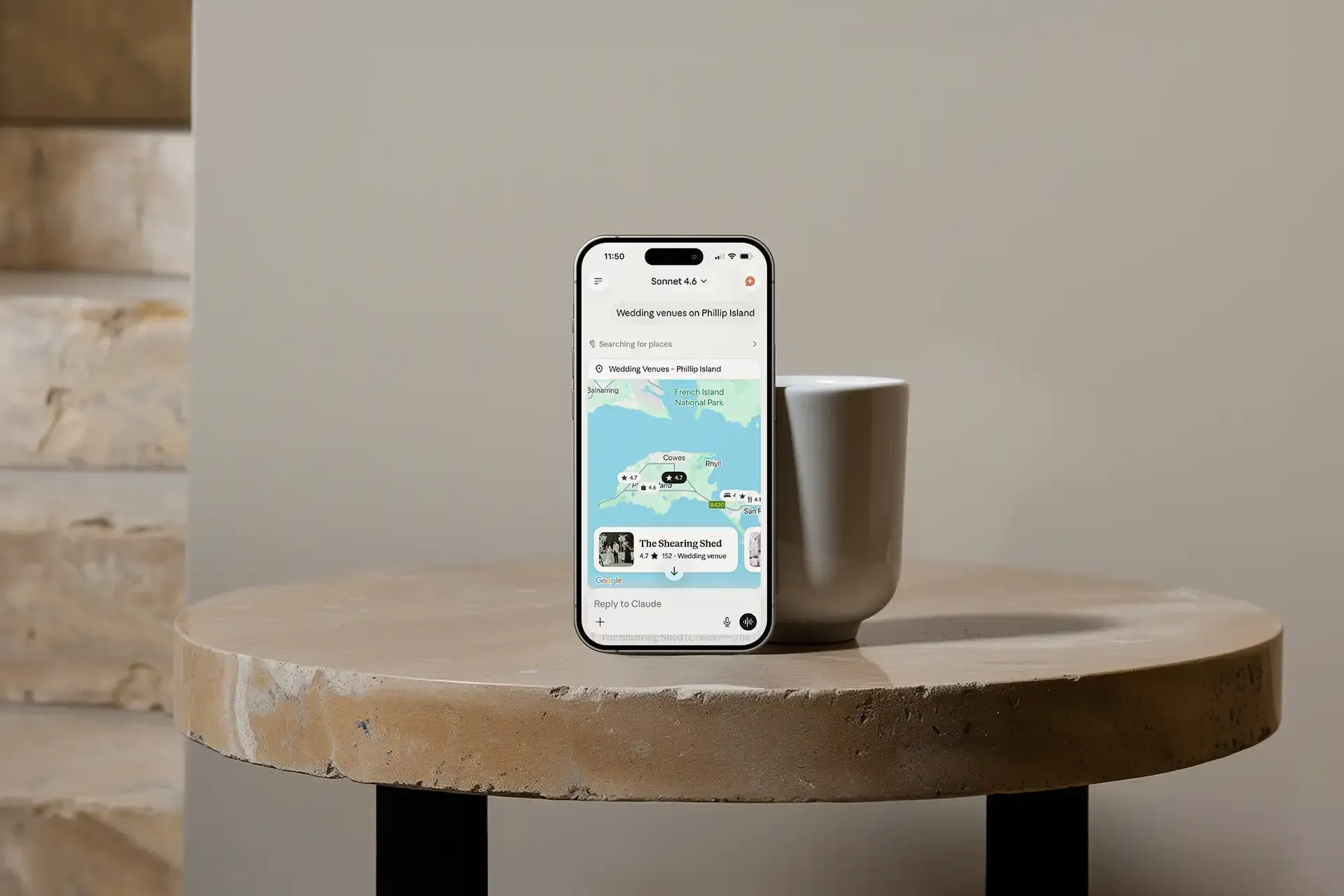
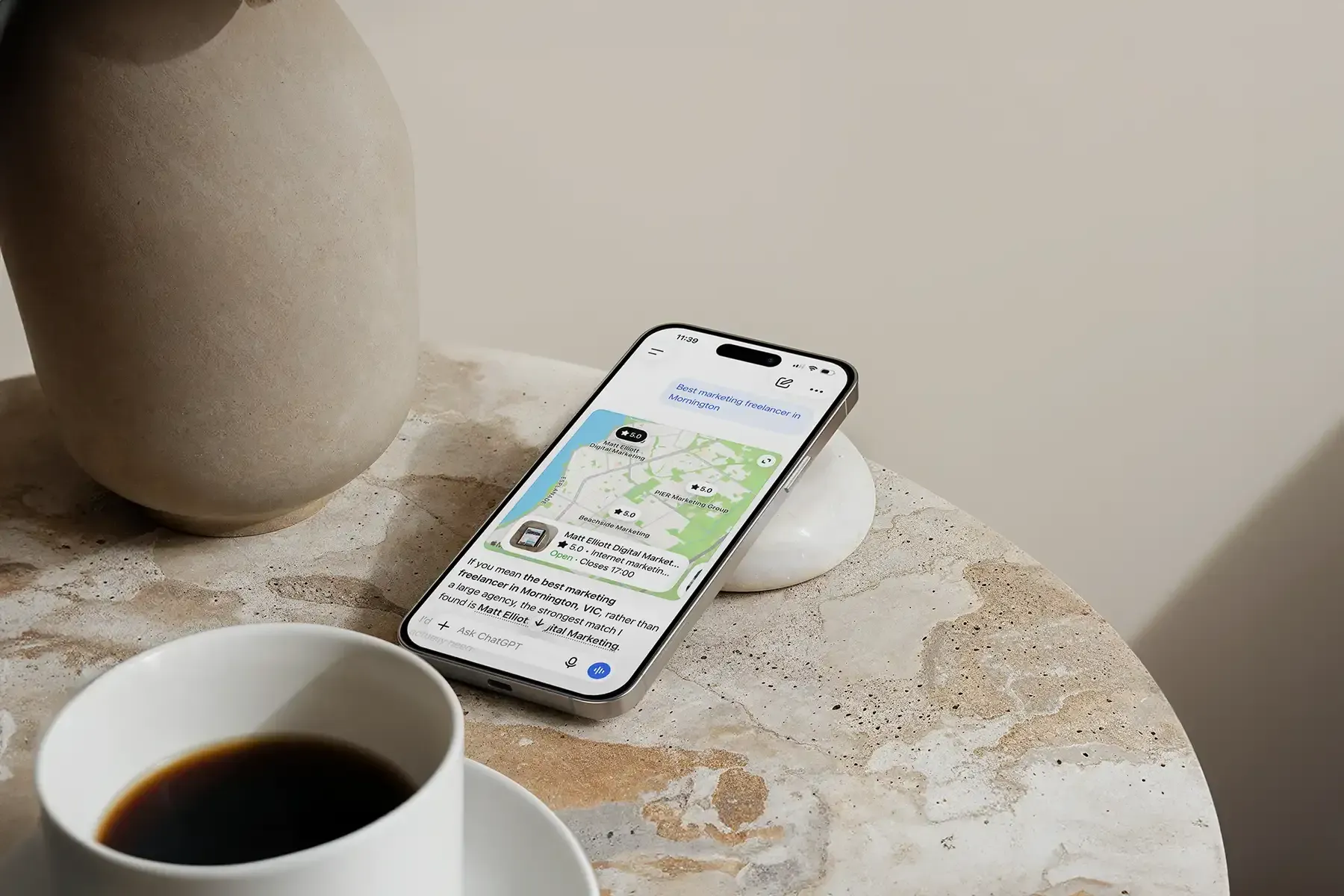
They're not always Googling anymore. They're asking ChatGPT, Perplexity, Google's AI Overviews, and Gemini for recommendations. "Best accountant in Melbourne." "Who does commercial printing in Geelong." "Which running shoe brand is good for wide feet."


If your business isn't showing up in those answers, you're invisible to a growing slice of your market.


Here's why it happens and what you can do about it.

AI search works differently to Google

Google ranks pages. AI recommends businesses.


That distinction matters. When someone searches Google, they get a list of links and decide for themselves. When someone asks an AI tool, they get a short answer with one or two recommendations — sometimes with no link at all.


To make that shortlist, AI systems need to be confident about who you are, what you do, and why you're credible. Vague websites don't make the cut.


Three reasons you're probably not showing up

1. Your content doesn't answer real questions


AI tools are essentially giant Q&A systems. They surface businesses whose websites clearly answer the questions people are actually asking.


If your site says "we offer quality services to clients across Melbourne" — that's not an answer to anything. AI can't confidently recommend you based on that.


What works: specific, direct content. Who you help. What problems you solve. What the process looks like. What results people can expect.


2. Your business information is inconsistent


AI systems cross-reference everything. Your website, your Google Business Profile, your directories, your social profiles. If your business name appears in slightly different forms across those sources — or your address is outdated on one of them — AI has lower confidence when considering you as a recommendation.


Boring stuff, but it matters.


3. You don't have structured markup


Schema markup is code that sits in the background of your website and tells search engines and AI tools exactly what your business is. Without it, they're guessing. FAQ schema in particular helps AI pull your content into answers directly.


Most small business websites have none. Or they have broken schema that was added by a plugin and never checked.

What to actually do about it

Start with your content. Go through your main service pages and ask: does this actually answer the question someone would ask before hiring me? If not, rewrite it so it does.


Check your entity consistency. Google your business name and look at every listing. Make sure the name, address, phone number, and category are accurate and match your website.


Add FAQ schema. If you have common questions on your site, mark them up properly. It's not complicated but it does need to be done correctly — broken schema is worse than none.

Build third-party mentions. AI tools trust businesses that appear in context across multiple credible sources. Industry directories, local business listings, genuine Google reviews, any press or features you've had — these all contribute.


This isn't replacing SEO, it's extending it

Most of what makes you visible in AI search is the same stuff that makes you rank in Google: clear content, clean technical setup, consistent business information, and a credible online presence.


The difference is the level of specificity required. AI search rewards businesses that are unambiguous about who they are and what they do. There's no room for vagueness.


If your website was built to look good rather than to answer questions, it's probably not ready for either.


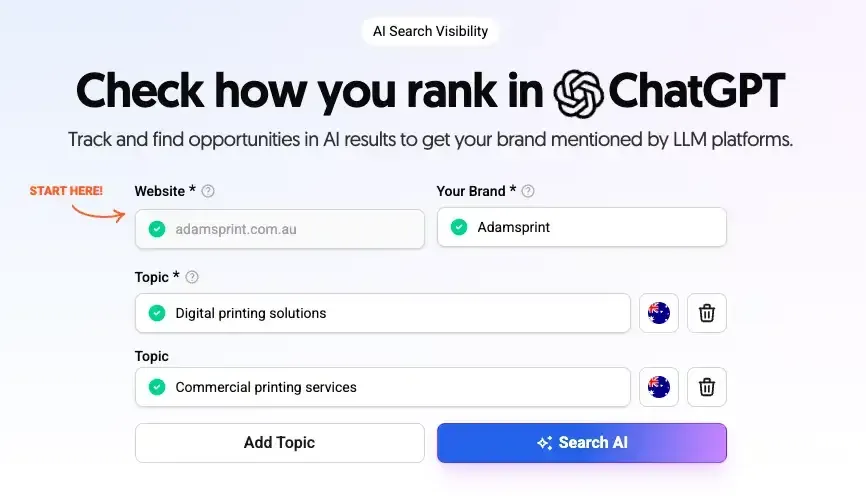
Want to know if your business is showing up in AI search? Get in touch and I'll take a look.


A simple place to celebrate the little victories in business and marketing.

Contact Us

SHARE THIS

Latest Posts

Why Last-Click Attribution Lies About Your Marketing
By Matt Elliott April 21, 2026
Last-click attribution gives all the credit to one channel and ignores the rest. Here's why that's a problem and what to use in GA4 instead.
Laptop showing google ads graph
By Matt Elliott February 6, 2026
Advertising budgets fail when spend is too low. Why $50 a day and a two-week learning period are the minimum for useful ad data.
By Matt Elliott January 6, 2026
Your digital marketing isn’t broken by lack of effort. It fails when the system underneath doesn’t work. Here’s what to fix first.

Image showing an instagram post of an event with a speaker at the front.
By Matt Elliott October 30, 2025
Learn how herd mentality shapes marketing — and why going first builds trust, momentum, and leadership in your brand.

Laptop with a working Google analytics dashboard
By Matt Elliott October 7, 2025
Lessons from deep work in Google Analytics, Search Console, keyword research and Ads — and why clean data changes everything.
iPhon displaying a recent website build that we completed
By Website Editor September 29, 2025
The 2025 web design trends that matter: speed, mobile-first UX, accessibility, and AI/LLM-ready content — with actions you can take now.
Freelancer computer office set up
By Matt Elliott September 23, 2025
Melbourne digital marketing: freelancer vs agency. Compare costs, flexibility, risk and results to choose with confidence.
SEO Keyword rankings on a laptop
By Matt Elliott September 14, 2025
What does SEO really cost in Melbourne? See typical monthly retainers, project fees, and what small businesses should expect in 2025 — without the spin.