What Your Google Business Profile Is Actually Doing


By Matt Elliott June 26, 2026

Most Melbourne businesses have a Google Business Profile. Most of them set it up once, forgot about it, and haven't looked at it since.


That's a problem — not because GBP is complicated, but because what it does behind the scenes is more significant than most people realise. And what it doesn't do is equally worth understanding.

What Google Business Profile actually is

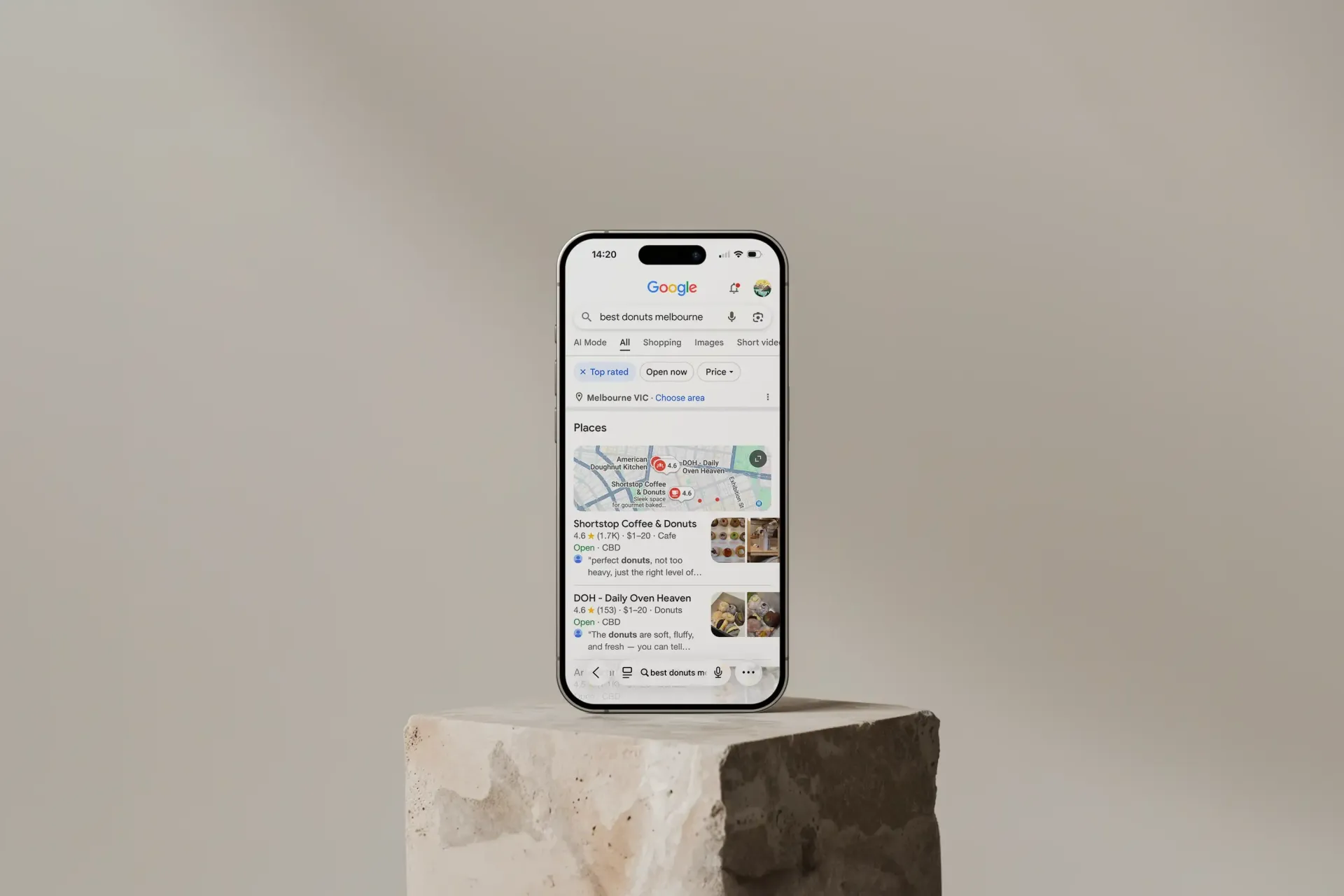
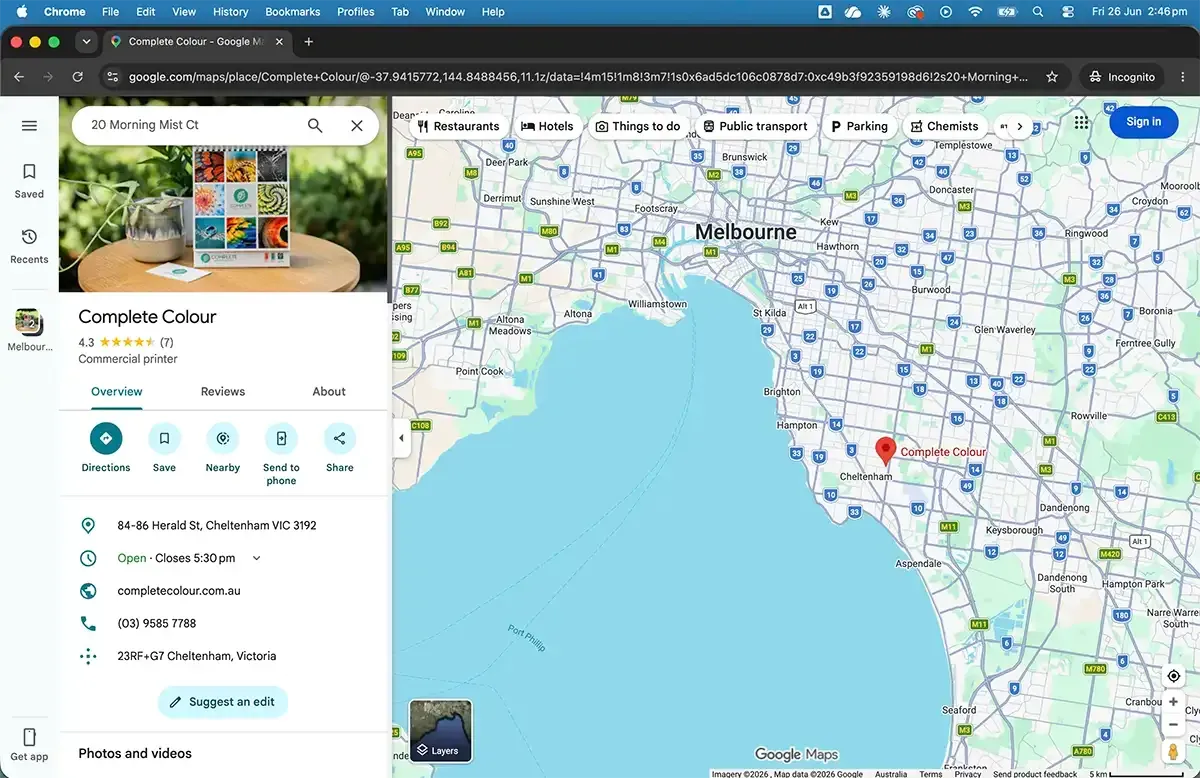
Your GBP is a separate presence from your website. It's the listing that appears when someone searches for your business name, or when Google decides to show local results — the map pack — for a search like "plumber Frankston" or "accountant Mornington Peninsula."


When it's set up well, it tells Google (and increasingly, AI tools) exactly who you are, what you do, where you are, and why you're credible. When it's poorly maintained, it creates confusion — and confused signals don't get recommended.

What it's doing for your visibility

A well-optimised GBP affects three things directly.


Local map pack rankings. The three businesses that appear in the map at the top of a local search result are there largely because of their GBP, not their website. If you're not in that pack for your key search terms, you're invisible to a significant portion of people actively looking for what you offer.


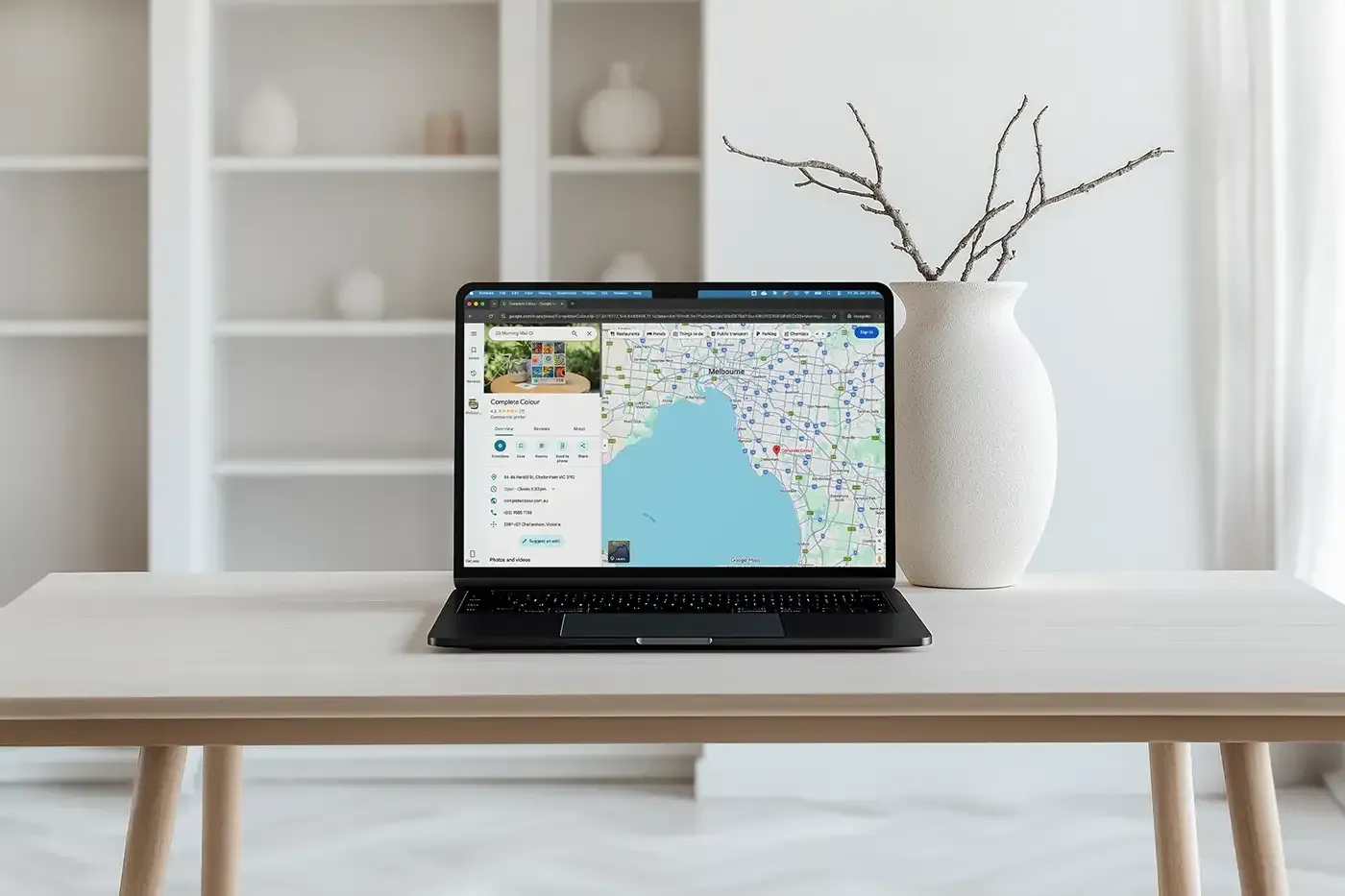
Knowledge panel trust. When someone searches your business name, your GBP is what appears on the right — your hours, your reviews, your photos, your services. That's often the first impression, not your website. If it's incomplete or outdated, it undermines whatever your website is trying to do.


AI search signals. This one is newer but increasingly important. AI tools like ChatGPT, Perplexity, and Google's AI Overviews cross-reference your website, your GBP, and your directory listings before deciding whether to recommend you. Inconsistent details — different addresses, different phone numbers, slightly different business names — reduce their confidence. I've written about this in more detail here.

How to actually see what your GBP is doing in GA4

Most businesses have no idea how much traffic their GBP is generating. That changed when Google added a native link between Google Business Profile and GA4.


Once connected, a Business Profile reporting section appears directly inside your GA4 dashboard — no manual tagging, no workarounds. It tracks the actions people take from your listing before they ever reach your website: profile interactions, website clicks, phone calls, direction requests, and bookings.

That's genuinely useful data. It tells you whether your GBP is actually driving engagement, or just sitting there.


To set it up:

Go to Admin in GA4 (the gear icon, bottom left) → scroll to Product Links → select Google Business Profile Links → click Link → choose your profile → confirm and submit.


You'll need Editor or Administrator access to the GA4 property and Owner or Manager access to the GBP. Data takes 24–72 hours to appear.


A few things worth knowing before you get excited about the numbers: the reporting is capped at six months of history, you can't pull these metrics into custom GA4 Explorations, and if you manage multiple locations under one property the data aggregates — you can't filter by individual location natively.


For most small businesses with a single location, those limitations don't matter much. What you get is a clear picture of how your GBP is performing as a channel — which most businesses currently have no visibility on at all.

What it isn't doing

GBP is not a substitute for a website that converts. You can have a perfect listing and still lose the enquiry if the person clicks through to a page that's slow, unclear, or doesn't answer the question they came with.


It also doesn't manage itself. Reviews don't respond on their own. Posts don't go out automatically. Categories don't update when you change what you offer. A GBP that was accurate in 2022 may be quietly working against you today.


And it isn't a guaranteed lead source. GBP gets you found. Your website, your reviews, and your response time are what convert found into enquired.

The things that actually move the needle

Not all GBP activity is equal. Here's what matters most:


Primary category. This single field has more influence on your local rankings than almost anything else. It needs to reflect your most important service — not your broadest one. "Marketing consultant" and "internet marketing service" are different categories and rank for different searches.


NAP consistency. Name, address, phone number. These need to be identical across your GBP, your website, and every directory listing your business appears in. Not similar — identical. Abbreviations, suite numbers, and old phone numbers all create discrepancies that erode trust.


Reviews, and how you respond to them. The volume and recency of reviews is a ranking factor. So is your response rate. A business with 40 reviews and no responses signals something different to Google than a business with 40 reviews and thoughtful replies to each one.


Services and description. Most businesses leave these vague. Filling them in with specific, searchable language — the actual services people type into Google — gives you more surface area to appear in relevant searches.


Photos. Google favours active profiles. Regularly adding real photos (not stock) signals that the business is operating and engaged.

What most businesses get wrong

The most common issue I see is a GBP that was claimed and partially filled out during a busy week, then left alone. No posts. No updated hours. Categories that don't quite fit. Reviews sitting unanswered for months.


The second most common issue is conflicting information. The website says one address, the GBP says another, a directory from three years ago says a third. It looks minor. To Google and AI tools trying to verify your business, it's significant.


The fix isn't complicated. It's just a cleanup job that most businesses haven't prioritised — usually because no one told them it mattered.

How GBP fits into local SEO

Your Google Business Profile and your website work together. GBP handles local visibility and trust signals. Your website handles depth, conversion, and authority. Neither replaces the other.


Local SEO is about making sure both are working properly — and that they're consistent with each other and with your broader online presence. GBP is often one of the fastest places to see improvement, because the bar for most small businesses is low. A clean, complete, actively maintained profile stands out more than you'd expect.


If you're not sure whether your GBP is working for or against you, get in touch and I'll take a look.


A simple place to celebrate the little victories in business and marketing.

Contact Us

SHARE THIS

Latest Posts

Laptop with tGPT n ready to work
By Matt Elliott June 11, 2026
You know your business is missing from AI search. Here are 5 practical fixes: FAQ schema, clearer pages, consistent details and llms.txt.
By Matt Elliott April 27, 2026
AI tools like ChatGPT are recommending businesses — but maybe not yours. Here's why you're missing from AI search results and how to fix it.
Why Last-Click Attribution Lies About Your Marketing
By Matt Elliott April 21, 2026
Last-click attribution gives all the credit to one channel and ignores the rest. Here's why that's a problem and what to use in GA4 instead.
Laptop showing google ads graph
By Matt Elliott February 6, 2026
Advertising budgets fail when spend is too low. Why $50 a day and a two-week learning period are the minimum for useful ad data.
By Matt Elliott January 6, 2026
Your digital marketing isn’t broken by lack of effort. It fails when the system underneath doesn’t work. Here’s what to fix first.

Image showing an instagram post of an event with a speaker at the front.
By Matt Elliott October 30, 2025
Learn how herd mentality shapes marketing — and why going first builds trust, momentum, and leadership in your brand.
Laptop with a working Google analytics dashboard
By Matt Elliott October 7, 2025
Lessons from deep work in Google Analytics, Search Console, keyword research and Ads — and why clean data changes everything.

iPhon displaying a recent website build that we completed
By Website Editor September 29, 2025
The 2025 web design trends that matter: speed, mobile-first UX, accessibility, and AI/LLM-ready content — with actions you can take now.
Freelancer computer office set up
By Matt Elliott September 23, 2025
Melbourne digital marketing: freelancer vs agency. Compare costs, flexibility, risk and results to choose with confidence.
SEO Keyword rankings on a laptop
By Matt Elliott September 14, 2025
What does SEO really cost in Melbourne? See typical monthly retainers, project fees, and what small businesses should expect in 2025 — without the spin.