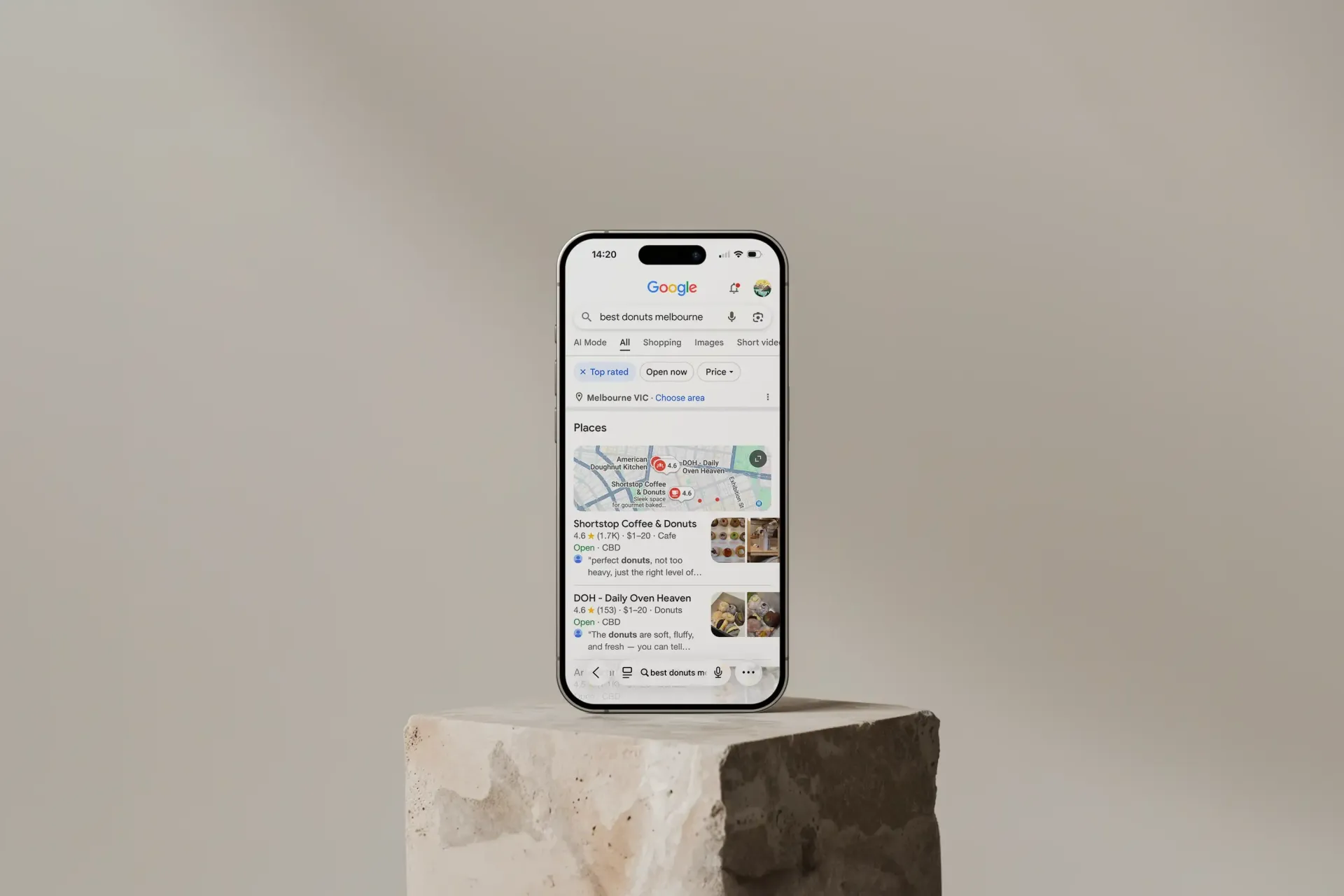
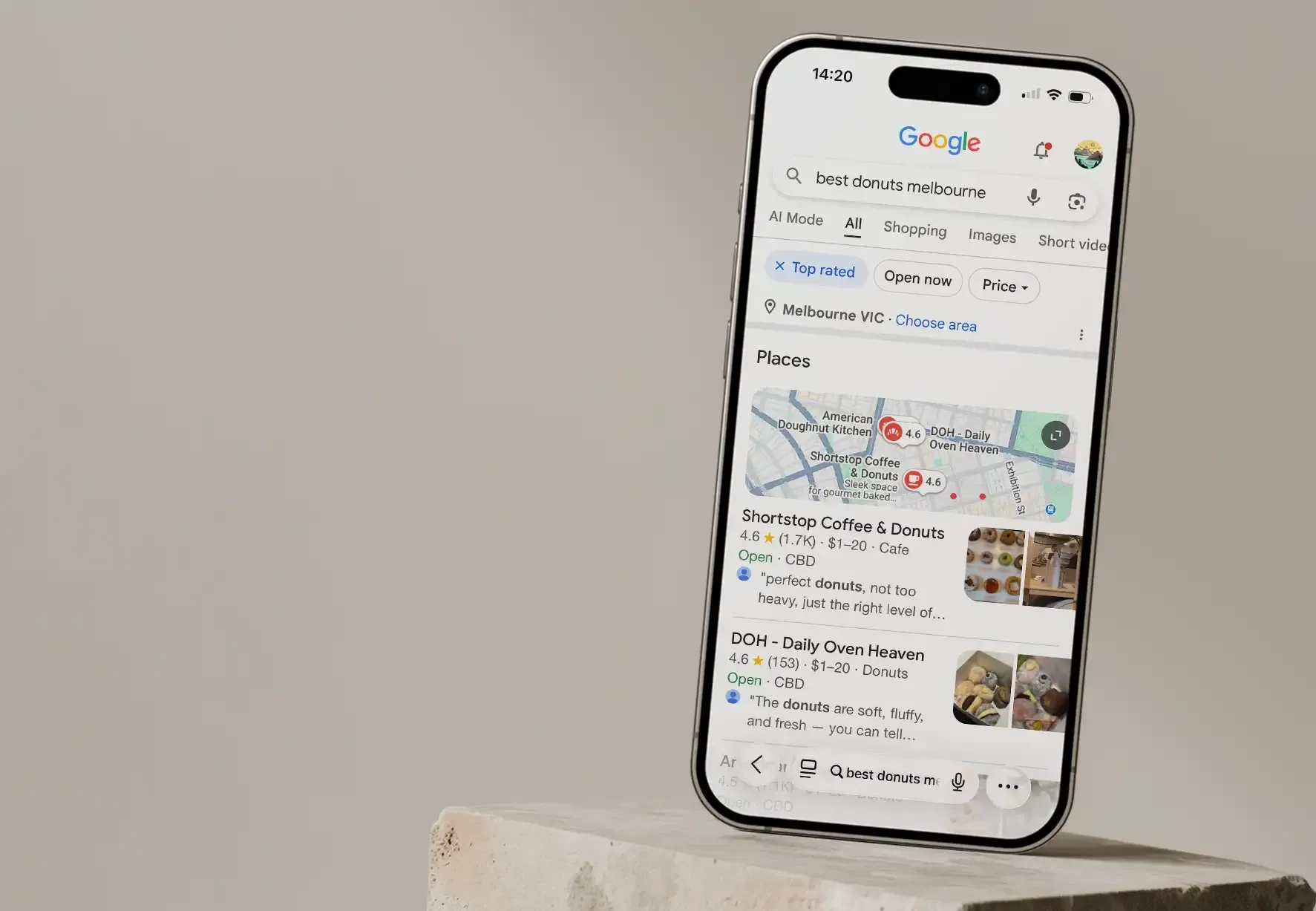
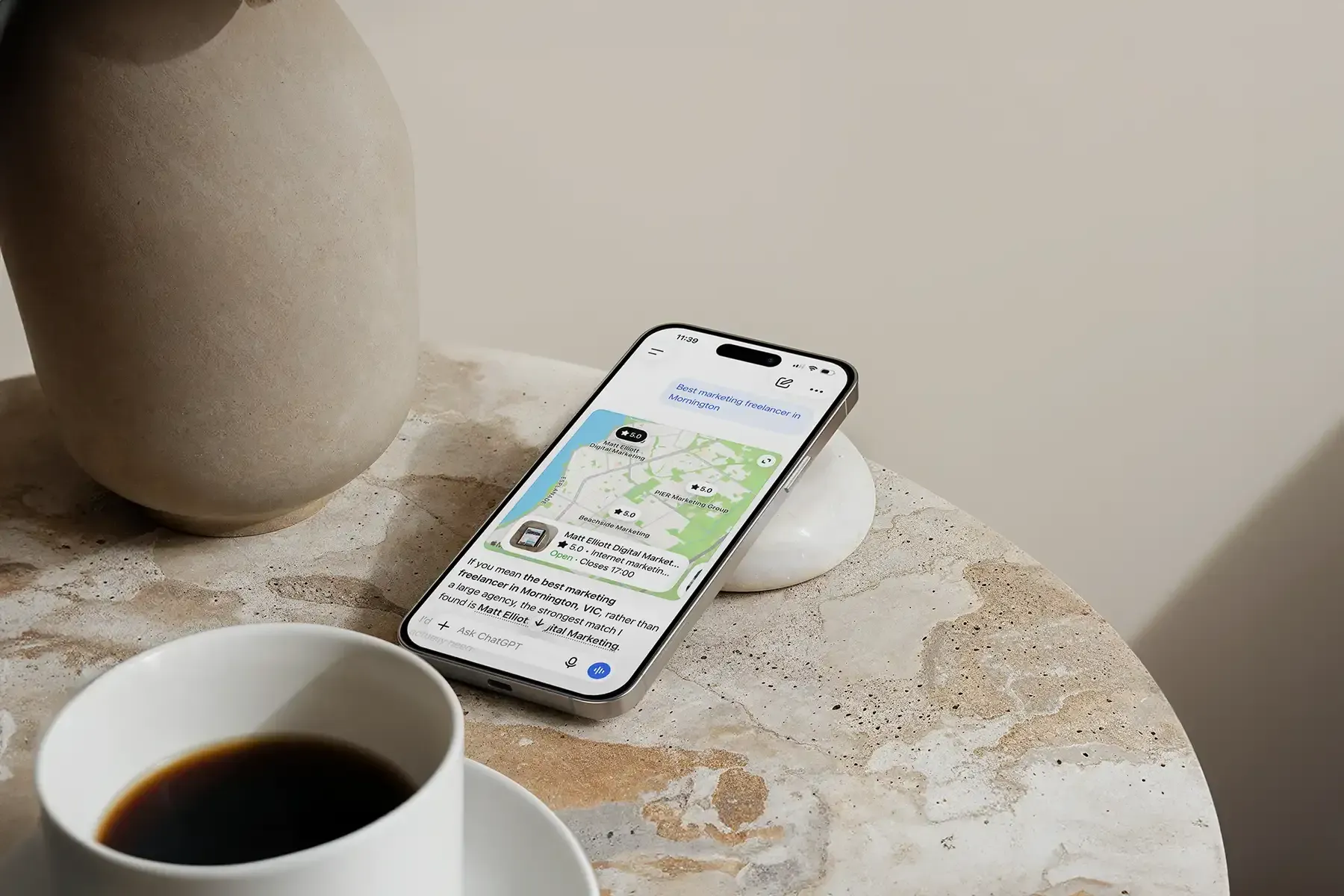
So what does your website actually do for Maps?
Not nothing — but a lot less than most people think.
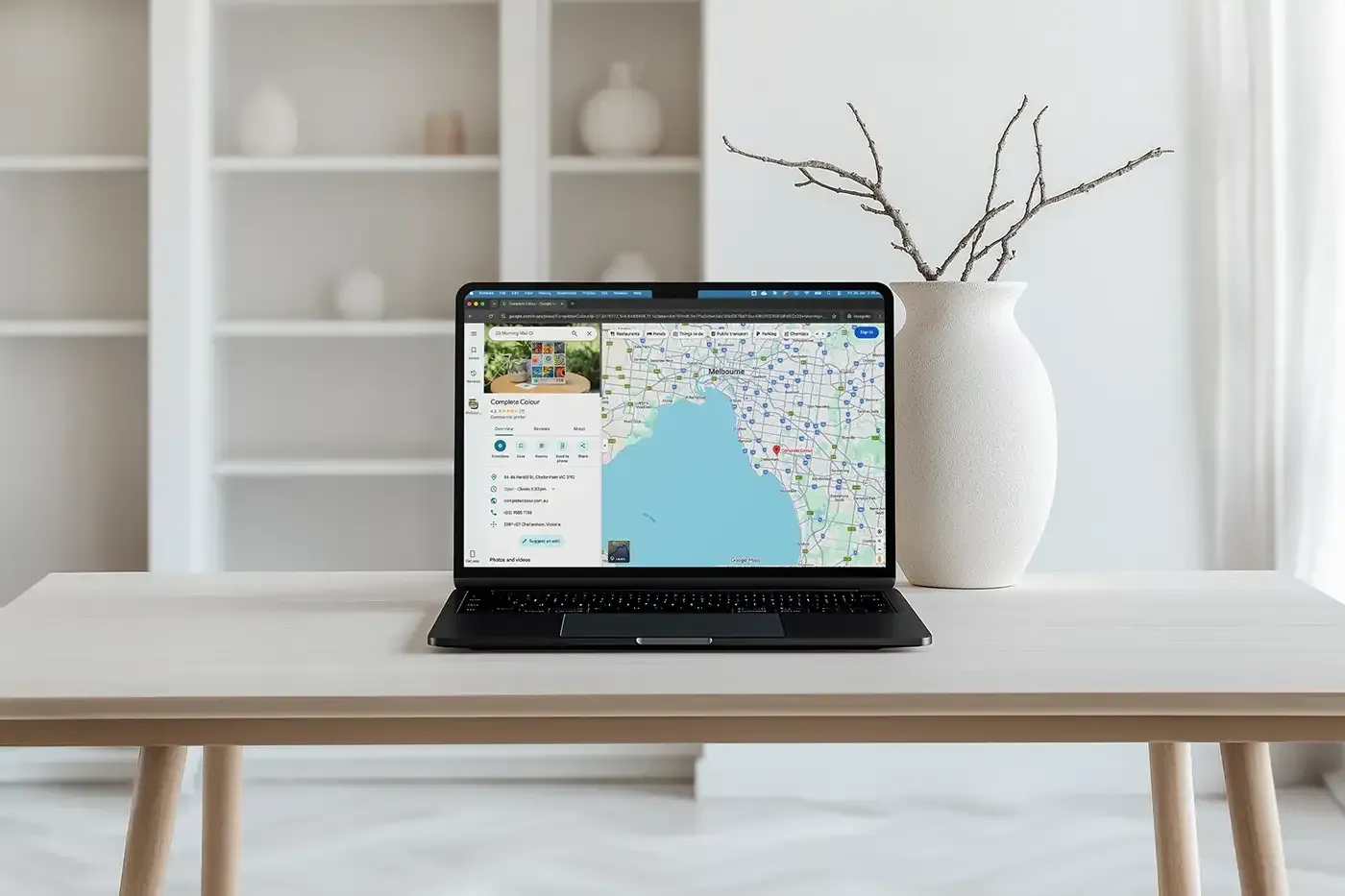
Google will crawl your site to confirm your business category, services, and location. Consistent NAP (name, address, phone) between your site and your Google Business Profile matters. A landing page that clearly describes what you do and where you do it helps.
But a beautifully designed website won't rescue a Google Business Profile with three outdated photos and no reviews. And a basic website won't hold back a business with 80 five-star reviews, consistent citations across directories, and an active profile.
The website is a supporting player in local search. The Google Business Profile is the lead.
What actually moves your Maps ranking
If local visibility matters to your business, here's where to put your energy.
Your Google Business Profile. Fill out every field. Choose your primary category carefully — it carries more weight than most people realise. Add photos regularly. Use the posts feature. Keep your hours accurate, including public holidays.
Reviews. Volume and recency both matter. A business with 12 reviews from three years ago will lose ground to one with 8 reviews from the last 90 days. Google wants to see that you're still active and still satisfying customers. The number of reviews and the star rating both influence rankings, not just trust.
Citations. Your business name, address, and phone number should appear consistently across the web — on directories like True Local, Yellow Pages, and any industry-specific sites. Inconsistencies (different address formats, old phone numbers, trading name variations) create confusion for Google and quietly drag down your prominence score.
Category and services. Your primary business category tells Google when to show you. Secondary categories help you appear in related searches. Your services list adds more signals. These are all editable in your Google Business Profile and worth getting right.
Why businesses with worse websites outrank you
Now the 2014 website makes sense.
That business has probably been around a long time. They've accumulated reviews steadily. Their profile is complete. They show up on directories because they've been listed on them for years. Google has a long history of trust signals for them.
Your newer, better-looking site hasn't built that yet. Trust in local search is earned slowly, through consistent signals over time. A redesign doesn't reset the clock in your favour.
This isn't discouraging — it's clarifying. It tells you exactly where to focus.
What this means for you practically
If you're investing in your website but not your Google Business Profile, you're building equity in the wrong place for local search.
Start with your profile. Make sure it's complete, accurate, and active. Build a review strategy — something simple that makes it easy to ask customers and easy for them to respond. Audit your directory listings and clean up any inconsistencies.
Then your website plays its supporting role: confirming your location, reinforcing your services, and giving Google's crawlers something consistent to work with.
Local SEO isn't complicated. It is, however, different from what most people assume it is.